





If you’ve ever opened an electrical panel, looked behind an outlet, or started planning a home renovation, you’ve probably seen Romex wiring. For homeowners and DIYers alike, understanding a Romex color chart can make electrical systems much easier to understand.
But what do all those colors mean?
From Romex wire colors on the outer sheath to the individual conductors inside, each color serves a purpose. Understanding these details can help you recognize wire sizes, identify circuits, and know when it’s time to call a professional.
At Thomas Edison Electric, Inc., we help homeowners every day with electrical upgrades, troubleshooting, and code-compliant wiring installations. Here’s what you should know about Romex.
What Is Romex?
Romex is the common trade name for non-metallic (NM) electrical cable used in residential construction. It’s one of the most widely used wiring types because it’s affordable, flexible, and ideal for dry indoor locations. A standard Romex cable contains one or more hot wires, a neutral wire, a ground wire, and an outer protective sheath. The outer sheath color helps electricians quickly identify wire gauge, which is where a Romex wire chart becomes useful.
Romex Color Chart: Outer Sheath Colors Explained
The easiest way to identify Romex wire size is by looking at the jacket color. A simple Romex color chart can quickly tell you the wire gauge and amp rating.
White Romex usually indicates 14-gauge wire rated for 15 amps. This is commonly used for lighting circuits and standard outlets and is one of the most common types found in older homes.
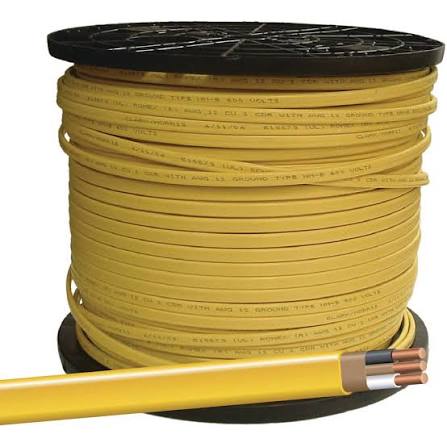
Yellow Romex typically means 12-gauge wire rated for 20 amps. This is now the standard for many modern branch circuits, including kitchens, bathrooms, and laundry rooms.
Orange Romex usually identifies 10-gauge wire rated for 30 amps. This heavier-duty wire is often used for electric water heaters, dryers, and air conditioning condensers.
Black Romex often contains 8-gauge or 6-gauge wire and supports larger loads between 40 and 55 amps. This type is commonly used for electric ranges, subpanels, and EV chargers.
Gray Romex is typically underground feeder cable, designed for moisture resistance and outdoor use.
This Romex wire chart makes it easier for homeowners to understand why wire size matters so much.
Why Wire Gauge Is Important
Wire gauge determines how much electrical current a wire can safely carry. Using undersized wire can lead to overheating, melted insulation, breaker trips, and even electrical fires.
For example, a 20-amp breaker requires at least 12-gauge wire, while a 30-amp dryer circuit requires 10-gauge wire. Using a Romex color chart before starting any project helps prevent these dangerous mistakes.
Romex Wire Colors Inside the Cable
The outer jacket color tells you the cable size, but the individual wires inside follow their own color-coding system. Understanding these Romex wire colors is equally important.
The black wire is the hot wire. It carries power from the breaker to the outlet, switch, or fixture and should always be considered energized when the breaker is on.
The white wire is usually the neutral wire. It returns electricity to the panel and completes the circuit. However, in some installations, it may be re-marked and used as a hot wire.
The bare copper wire is the ground wire. This provides a path for stray electricity to safely travel into the earth if a fault occurs. Without proper grounding, shocks become more dangerous and breakers may not trip correctly.
Some Romex cables also include a red wire. This is usually a second hot wire and is often used for three-way switches, split outlets, or 240-volt appliances.
Understanding how these Romex wire colors work together helps homeowners better understand their electrical systems.
Common Household Uses for Romex
Romex is used throughout nearly every residential electrical system. Lighting circuits often use white 14-gauge Romex. Kitchen outlets usually require yellow 12-gauge Romex because of their higher power demands. Bathroom GFCI circuits also commonly use yellow Romex.
Large appliances like electric dryers typically use orange 10-gauge Romex, while electric vehicle chargers often require black 6-gauge cable depending on amperage. Every installation must match code requirements and appliance specifications.
Common Mistakes Homeowners Make
Understanding a Romex wire chart can help you avoid some of the most common electrical mistakes.
One major mistake is mixing wire gauges improperly. For example, using 14-gauge wire on a 20-amp breaker creates a fire hazard.
Another common problem is overloading existing circuits. Adding too many outlets or appliances can exceed the circuit’s capacity.
Improper wire splicing is another risk. Loose wire nuts or poorly secured connections can create heat and arcing.
Ignoring permit requirements can also create major issues, including failed inspections and insurance complications.
That’s why it’s often better to find an electrician instead of guessing.
How to Find an Electrician for Wiring Projects
If you’re planning a kitchen remodel, panel upgrade, generator installation, EV charger installation, or simply adding new outlets, it’s important to find an electrician with the right experience.
A good electrician should be licensed, insured, familiar with local code requirements, and have strong customer reviews. Experience matters, especially when working with larger electrical loads or older homes.
Thomas Edison Electric, Inc. provides professional electrical services for homeowners throughout Pennsylvania, helping with everything from small wiring repairs to full home rewiring.
Signs Your Home May Need Wiring Upgrades
Not every home’s wiring is designed for modern electrical demands. Frequent breaker trips are often one of the first warning signs. Flickering lights, warm outlets, burning smells, and outdated two-prong outlets can also indicate wiring problems.
Older homes may still contain aluminum wiring or lack modern GFCI protection, which increases safety risks. If your electrical system shows any of these signs, it may be time for an inspection.
Romex vs Other Wiring Types
Romex isn’t the only wiring option available. Romex, or NM cable, is best for dry indoor spaces and standard residential branch circuits.
Conduit wiring is often used in garages, commercial buildings, or exposed locations where added protection is needed.
UF cable is designed for underground use and wet environments.
Choosing the right cable depends on where it’s being installed and how much power it needs to carry.
Electrical Safety Always Comes First
Even with a good Romex color chart, electrical work can still be dangerous. DIY electrical mistakes can lead to electrocution, house fires, failed inspections, and expensive repairs.
If you’re unsure about wire size, breaker compatibility, circuit load, or panel capacity, it’s always best to call a professional.
Need Help with Romex Wiring? Call Thomas Edison Electric
Whether you’re upgrading your electrical panel, adding circuits, troubleshooting wiring issues, or planning a major remodel, Thomas Edison Electric, Inc. can help. Our licensed electricians handle everything from wiring upgrades and outlet installations to panel replacements, generator wiring, and full-home inspections.
If you’re trying to find an electrician you can trust, we’re ready to help.
Understanding Romex wire colors, using a Romex color chart, and following a proper Romex wire chart are important—but professional installation makes all the difference.
'/%3e%3c/svg%3e)
'/%3e%3c/svg%3e)


'/%3e%3c/svg%3e)
'/%3e%3c/svg%3e)