




When it comes to the future of energy, nuclear power continues to play an essential role in delivering reliable electricity. While this type of energy generation may seem far removed from the day-to-day work of residential or commercial electricians, the systems that support nuclear power, including something known as a control rod or push rod, are built on the same principles of safety, precision, and control that we value at Thomas Edison Electric.
So, what exactly is a push rod in nuclear energy, and why should it matter to anyone outside of a power plant?
What Are Nuclear Push Rods?
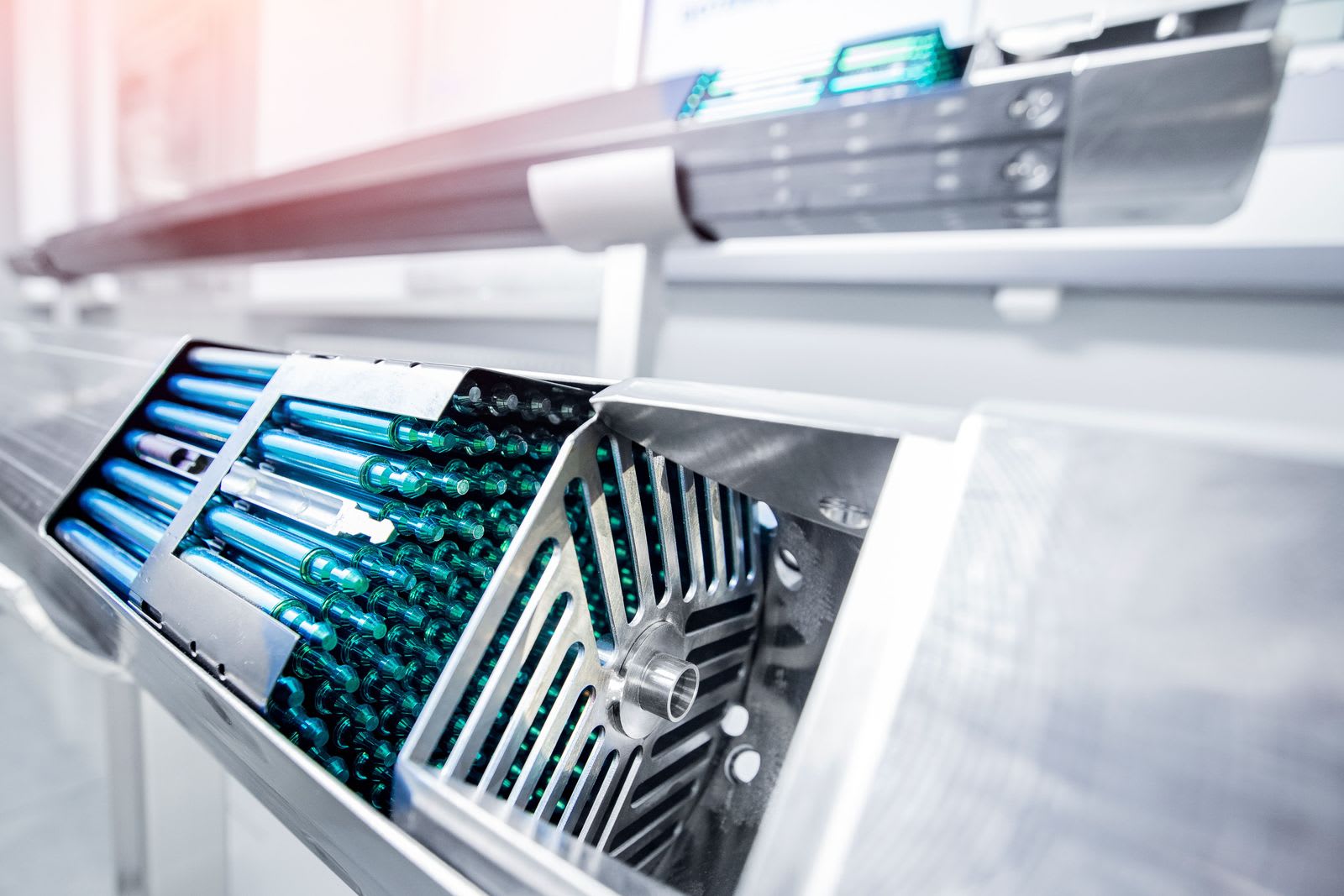
In nuclear energy systems, push rods (more commonly known as control rods) are mechanical parts used to regulate the nuclear reaction happening inside a reactor. These rods are inserted into or withdrawn from the reactor core to absorb neutrons, which are the particles that keep the reaction going. By controlling the number of neutrons, the system can either slow down or increase the amount of energy being produced.
The rods themselves are made from materials like boron, cadmium, or hafnium—elements that are especially good at soaking up neutrons. They are moved into and out of the reactor core using electrical or hydraulic systems designed to respond quickly and precisely.
Why They Matter
Push rods play a major role in keeping nuclear power safe and manageable. When a nuclear reactor needs to reduce output or shut down entirely, these rods are pushed into the core to bring the reaction to a stop. When more energy is needed, they’re pulled out to allow the reaction to continue. This mechanism helps avoid overheating, allows for routine maintenance, and ensures the entire process remains under control at all times.
Even though nuclear plants are highly automated, these mechanical systems remain essential. They offer an important backup for managing emergencies and ensuring the reactor can be shut down safely whenever needed.
What It Means for Everyday Energy Systems
While most homes and businesses in Pennsylvania won’t be tapping into nuclear energy directly, the push rod concept reflects a larger truth about energy: mechanical systems play a critical role in how electricity is generated, stored, and distributed. Whether we’re talking about a control rod in a reactor or a transfer switch on a home generator, the goal is the same—to deliver energy safely and reliably, with the ability to adjust or stop as needed.
At Thomas Edison Electric, we bring that same level of care and control to every project we handle, whether you are upgrading your panel, installing a backup power system, or exploring energy-efficient solutions for your building.
Looking Ahead to Alternative Energy
As more conversations focus on low-carbon energy and grid stability, nuclear power remains a dependable part of the overall mix. Far safer nuclear options have been developed, and existing plants may be converted to pebble bed technology. As with all power plants, cost is the primary obstacle. And while the inner workings of a nuclear reactor may seem distant, the principles behind them are things we think about every day in our work.
If you're interested in energy-efficient upgrades, backup power systems, or customized electrical solutions for your property, Thomas Edison Electric is here to help. We may not build nuclear reactors, but we bring the same attention to detail and safety to the systems that keep your home or business running smoothly.
'/%3e%3c/svg%3e)
'/%3e%3c/svg%3e)

'/%3e%3c/svg%3e)
'/%3e%3c/svg%3e)